

How to Treat Your Home's Well Water In Northern Michigan
Whether you live in a rural area or a suburban community with a private well, your water is sourced from groundwater or surface water and pumped directly into your home. Once it enters your household, this water is used for drinking, cooking, cleaning, bathing, and other daily activities. Unlike municipal water, which is monitored and regulated, homeowners with private wells are solely responsible for the quality of their water and any treatment needed to ensure it is safe and clean. Approximately 45% of Michigan's residents rely on water supplied by a well, with over 1 million wells throughout the state.
There are a variety of treatment methods available to improve well water quality, depending on the specific conditions of your water supply and how it will be used in the home. Common solutions include sediment filters, water softeners, reverse osmosis systems, ultraviolet (UV) disinfection units, and specialty filters for contaminants like nitrates, arsenic, or iron. Regular testing is the key first step to identifying potential contaminants, understanding water hardness, or checking for bacteria, and selecting the right water treatment system can help protect your family’s health, improve taste, and extend the life of plumbing and appliances.

What's the Difference Between Working Water & Drinking Water?
Working Water
Working water, for washing, bathing, and cleaning, makes up 99 percent of the water that’s used in the home. Often, well water is treated with a water softener, filtration system or specialty filter so that it can work better in the home. Left untreated, your water can cause problems such as staining, spotting, scale buildup, poor performance from water-using appliances, harm to these appliances, and more.
While cities that rely on a municipal well water system have their water treated to a certain level, most private residential wells experience minimal, if any, treatment at all.
Drinking water
Although the water you use for drinking and cooking makes up about one percent of the water used in your home, its quality is probably most important to you. Untreated well water can affect the taste and smell of drinks and food. And unless the water is tested, there’s no telling what, if any, contaminants might be in the water. A reverse osmosis system or drinking water filter is often used to improve the quality, taste, and smell of well water.
How is My Water Contaminated?
In Michigan, contaminants in groundwater can vary depending on where you live. Some parts of the state are known for having higher levels of certain contaminants than others. This article by Flow Water Advocates better explains how the issues are occurring, and what residents can do.
Industry and agriculture: Human-made contaminants such as pollution from manufacturing facilities, agricultural runoff, and improper waste disposal can contaminate drinking water.
Treatment and distribution: City/community residential water supplies will sometimes treat water to remove contaminants. However, these treatments can sometimes react, creating a harmful chemical or substance (a disinfection byproduct, like Total Trihalomethanes or TTHMs) or causing problems with the pipes that the water flows through. Regular water testing and treatment generally remove or reduce contamination and ensure the water chemistry is safe for the pipes.
Improper private residential well maintenance: A private residential well system that is not properly maintained can lead to drinking water contamination. Your wellhead and well cap keep flood water, polluted rainwater, insects, and small animals from getting into the well. If these get in through cracks and openings on your wellhead or well cap, it can make your water unhealthy.
Most Common Well Water Contaminants in Michigan
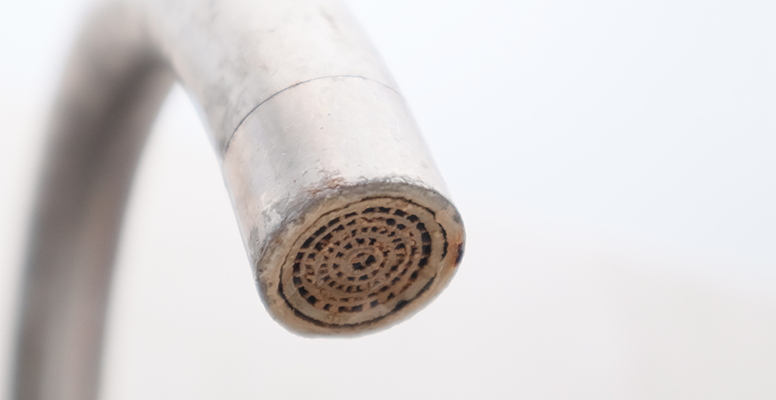
Unless you install a water treatment system, there is nothing between you and any water problems. Common well water contaminants and issues include:
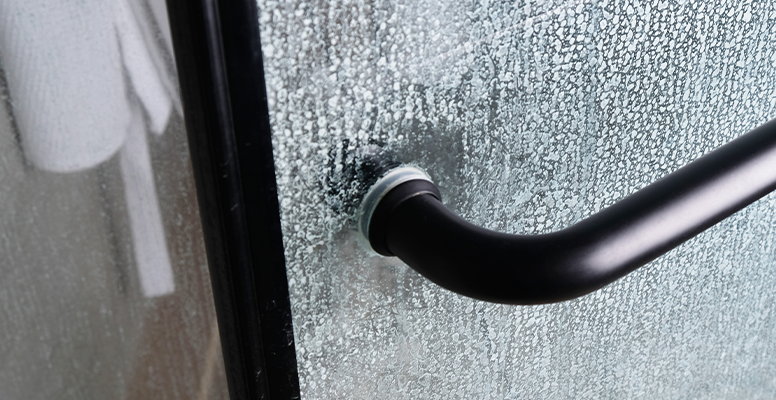
Scale and hard water: Hard water is water that contains calcium and magnesium, which causes the white, chalky scale buildup on fixtures and water-using appliances. It is unsightly and can reduce the life, appearance, and efficiency of fixtures, water appliances, and other items around your home. Hard water is very common with private wells.
Staining: Stains caused by problem water can ruin clothing, sinks, tubs, toilets, water-using appliances, and even tableware. Reddish-orange, blue-green, pink or brown stains are difficult to remove and may require early replacement of items that are stained. If you notice red or orange staining, you likely have iron in your water. Blue-green staining can mean your water is slightly acidic or has a low pH, which can be damaging to your water pipes and eventually to your home.
Tastes and Odors: Unpleasant tastes and odors can make drinking your water difficult and can affect the smell and taste of things made with water, including ice. It can also make showering or bathing less than enjoyable. Hydrogen sulfide (sulfur smell), decayed vegetation, and other naturally occurring substances can make well water taste and smell bad.
Cloudy Water: Cloudy Water can be caused by dissolved solids, tannin, sand, or other substances that affect your water's clarity. If your water is cloudy, it could simply be unappealing to look at, or it could clog or damage water-using appliances and fixtures over time.
Michigan: Why Your Drinking Water Matters
Water is part of your daily life. You use it to cook, clean, make coffee, and—most importantly—stay hydrated. But not all water is the same. Well water can carry unwanted things like:

Chlorine
Chlorine, an additive in drinking water, can cause your water to have an odd taste and smell.

Lead or Copper
Lead piping can deteriorate over time, causing water to contain contaminants from both inside and outside.

Hard Water Minerals
Hard water minerals, such as calcium and magnesium, can cause scale to build up on surfaces and inside appliances, resulting in damage.
Common Well Water Treatment Solutions in Michigan
Water Softeners
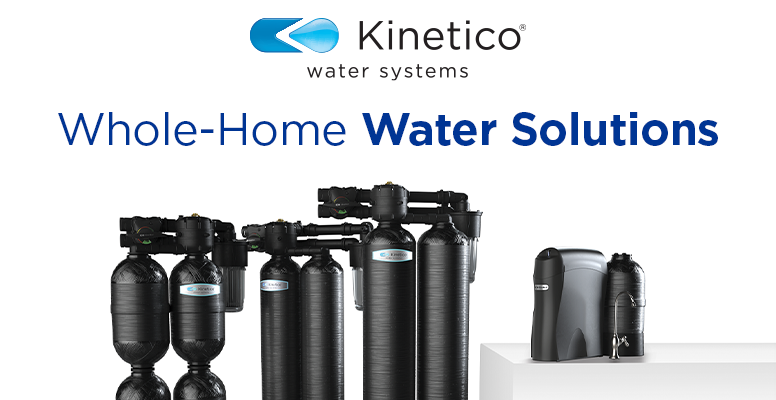
Since most well water is hard, water softeners are often used to improve the working water in a home. Kinetico Premier Series water softeners are the perfect solution for well water, but Kinetico offers several water softener options to meet your home’s water treatment needs.
Drinking Water Systems
Drinking water systems are a great option when well water users want to reduce contaminants, bad tastes and odors from water. Kinetico has several drinking water solutions and filter options to improve the quality of drinking water. The Kinetico K5 Drinking Water Station with VOC Guard is certified to reduce more contaminants than any other comparable drinking water system. It has multiple configurations that allow you to customize the filtration for your home.
Specialty Filtration Equipment
Specialty solutions are sometimes what’s needed to solve more complex issues with well water. Kinetico offers specialty filters and other equipment like iron filters, sulfur reduction solutions and arsenic mitigation systems.
Schedule A Water Test To Find Out If Your Well Water Needs Treated
Schedule A Free Water Test Today